
Have you ever heard a nail gun fire and thought, “That’s powerful for something as simple as air”? Compressed air is exactly that, ordinary air pushed into a smaller space. When you squeeze it, you store energy like a battery. Then you release it to do work.
In workshops and factories, compressed air helps drive tools without sparks and without heavy wiring at the point of use. That matters in places where electricity is a risk, or where you want flexible power lines. It also shows up in everyday life, like filling tires, running air brakes, and powering spray equipment.
So how does air get from “what’s in the room” to “pressurized force on demand”? First, you’ll see what compressed air really means in plain terms. Next, you’ll follow the production steps from intake to storage. Then you’ll compare common compressor types, learn major uses, and get practical safety rules. Finally, you’ll see what’s changing in 2026 as systems get smarter and more efficient.
Breaking Down the Basics of Compressed Air
Normal air already has pressure because Earth’s atmosphere pushes on everything. When you compress air, you force the same air molecules closer together. That raises pressure, and it also creates heat as the air gets squeezed.
A simple analogy helps. Think of a bike pump. Each stroke pushes air into a smaller space. As the space gets smaller, the pressure rises. Compressed air works the same way. You trap air, squeeze it, and store the added energy.
Because air is denser at higher pressure, it can carry more “pushing power” when you let it expand. Then the flow does the job, like spinning a pneumatic tool or moving a cylinder in a machine.
Compressed air systems usually describe pressure in PSI or bar. PSI is common in the US. Bar is common elsewhere. It can also matter whether a gauge measures pressure above atmosphere (often labeled psig) or absolute pressure (often labeled psia). If you want a clear explanation of PSI vs PSIG, see Understanding PSI, PSIA, and PSIG.
Here are the key properties most people notice right away:
- Higher pressure than atmosphere for useful force
- More energy stored than the same air at normal pressure
- Versatile power source for tools and automation
- Same air you breathe, just pressurized and often treated to remove moisture and oil
One more reason it’s popular: you can move compressed air through hoses and pipes. That keeps power distribution flexible across a shop. Still, pressure also means risk if you ignore safety rules, which we’ll cover later.

The Step-by-Step Process of Making Compressed Air
Compressed air production sounds complex, but the core idea is simple: pull air in, compress it, cool it, then store it. After that, you deliver it to the job site when needed.
In most systems, air moves through the same basic path:
- Intake and filtration: The compressor pulls in air from outside and screens out dust.
- Compression: Mechanical force squeezes the air. This is where pressure rises and heat builds.
- Cooling: Heat exchangers or aftercoolers drop the air temperature.
- Moisture removal: Cooling helps water condense. Filters and drains remove it.
- Drying (optional but common): Dryers reduce remaining moisture for sensitive tools and processes.
- Storage in a tank: Pressure gets held in a receiver tank for quick output.
- Distribution: Valves, regulators, and pipes send the air where it’s needed.
A compressor alone doesn’t guarantee “good air.” The add-ons often matter just as much. For example, dryers and filters help prevent corrosion, poor spray quality, and stuck pneumatic parts.
It also helps to know that compressors can use different compression methods. Some trap air and squeeze it, while others raise pressure by moving air through spinning parts. The section below breaks down the big compressor types you’ll see in real life.
Piston Compressors for Home and Small Shop Tasks
Piston compressors work like a powered bike pump, only bigger. Inside, a piston moves back and forth in a cylinder. Each stroke traps air, squeezes it, and pushes it into a receiver.
They’re common in garages, small workshops, and job sites. You’ll also see them in places that don’t run air all day long. Because they can be affordable and portable, they fit DIY projects and light professional tasks.
Why people like them:
- Lower upfront cost than many industrial units
- Simple design that many technicians understand
- Works well for intermittent use like tire filling and short bursts
Why people move on from them:
- They can be noisier than screw compressors
- Output can feel pulsed, especially under steady tool load
- Continuous heavy use can mean more wear
Maintenance is part of the deal with piston units, especially oil-lubricated models. Check oil levels, keep filters clean, and drain tanks regularly. Water buildup is one of the most common problems in any compressed air system.
Rotary Screw Compressors for Steady Factory Flow
Rotary screw compressors aim for steady output. Instead of pistons, two helical rotors rotate inside a housing. As they turn, they trap air in pockets and compress it continuously.
That design gives smoother flow than piston systems. It also suits factories where air runs for hours each day. For a broader look at compressor categories, see Types of Compressors.
Screw compressors come in oil-flooded and oil-free versions. In oil-flooded designs, oil helps with sealing and heat control. In oil-free designs, engineers focus on keeping air clean for sensitive applications.
Here’s the typical tradeoff:
- Oil-flooded: often efficient and widely used, with good maintenance routines
- Oil-free: often higher cost, but better for clean-air needs
Meanwhile, screw units usually support control systems that can match demand. That helps avoid wasting energy when air use drops.
Centrifugal and Scroll Options for Specialized Needs
Some jobs need high volume, low downtime, or very clean output. That’s where centrifugal and scroll compressors come in.
Centrifugal compressors use a fast-spinning impeller to move air and increase pressure through airflow dynamics. They’re often used where you need large air flows, such as pipelines and big industrial systems.
Scroll compressors use two interlocking spiral parts. As they move, they trap and compress air in a smooth, quiet way. You’ll see scroll units in settings that want cleaner air and lower noise, like labs and certain food or medical environments.
If you’re comparing them to pistons and screws, think of it like this:
- Centrifugal fits big, high-flow systems
- Scroll fits quiet and clean-focused applications
Also, these “special” types often show up when engineers design systems for specific pressure ranges, airflow needs, and air-quality targets.
Compressed air quality is about the whole system, not only the compressor.
Everyday and Industrial Uses That Rely on It
Compressed air can do work in surprising ways. It’s not just for huge plants. It powers tools, fills tires, and helps manufacturing run in sync. The key is that compressed air turns energy into motion through hoses, valves, and actuators.
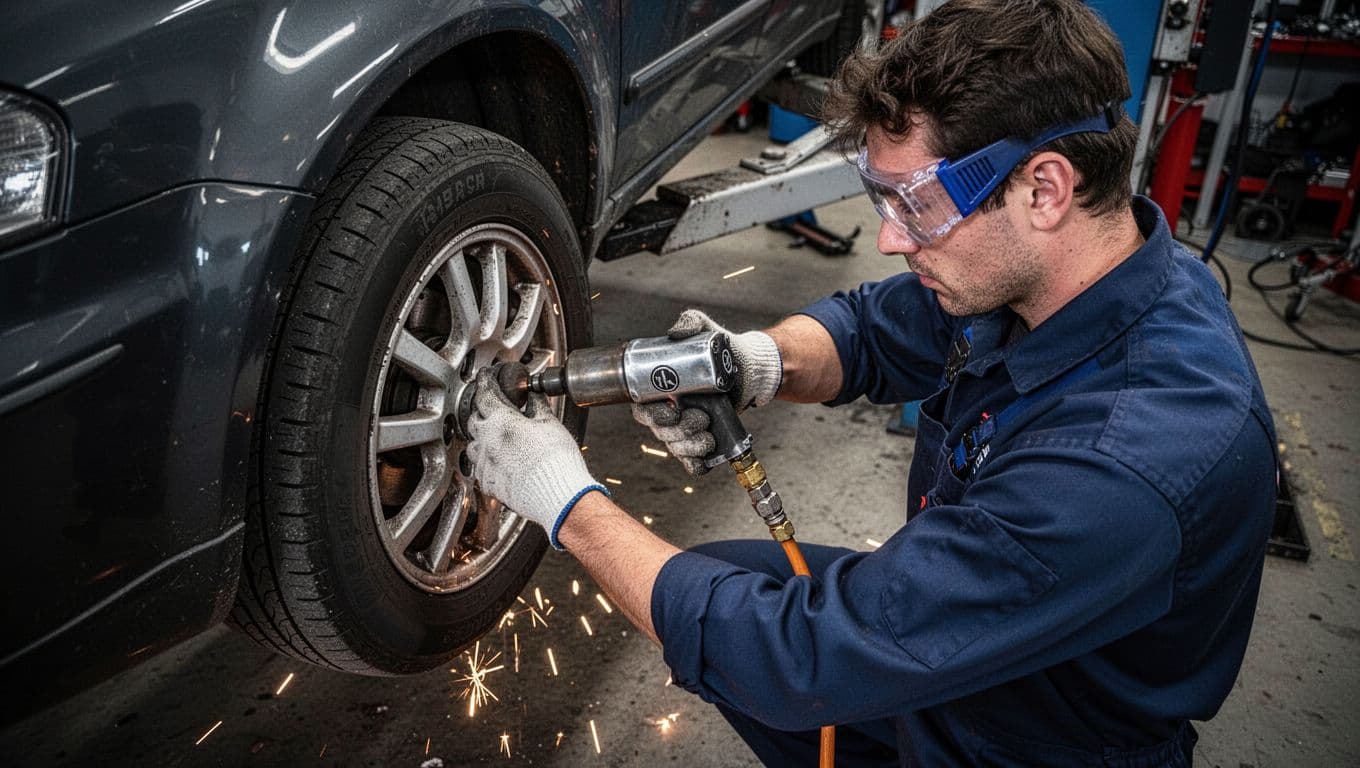
In a car shop, it’s the sound behind impact wrenches and air tools. In a factory, it supports painting, cleaning, and moving parts with cylinders. In many cases, it also helps with automation and packaging.
Compressed air shines because it can be distributed through lines without turning every tool into an electrical hazard. It’s also fast to start and easy to control at the point of use.
Common applications include:
- Pneumatic tools like drills, sanders, and impact wrenches
- Inflation for tires and air springs
- Spraying and coating, including paint and coatings
- Cleaning, like blowing dust from parts
- Material handling, using cylinders and air conveyors
- Robotics motion, where actuators need quick response
If you want a quick list of industrial uses, Top 15 Compressed Air Industrial Applications is a helpful reference.
Key Safety Rules to Avoid Compressed Air Dangers
Compressed air is invisible and powerful. That combo can get people hurt fast. High pressure can cut skin, and a hose can whip if it fails. Moisture can also create corrosion and damage parts.
OSHA includes rules for working with compressed air in construction and related settings. If you need a baseline reference, review 1926.803 – Compressed air.
Here are practical safety rules you can use right away:
- Wear eye protection (goggles or safety glasses)
- Use ear protection if the compressor or tools run loud
- Never aim a nozzle at people or pets
- Shut off and bleed pressure before removing fittings
- Inspect hoses daily for cracks, bulges, and worn covers
- Secure hoses so they can’t whip if a fitting loosens
- Drain tank water regularly to reduce corrosion and slugging
- Use the right-rated components for your system pressure
- Keep filters and dryers working to limit moisture and oil carryover
Most injuries happen during “quick fixes.” Pressure stays trapped when you least expect it.
Also, remember that compressed air can carry debris. When you blow out parts, keep hands clear and use proper guards. If you run a production system, add lockout steps to your maintenance checklist.
2026 Trends Shaping Smarter Compressed Air Tech
Compressed air used to be treated like an automatic utility. In 2026, many facilities treat it like a system that affects cost, uptime, and emissions.
One big shift is matching output to real demand. Variable speed drive (VSD) units can reduce wasted power when air use drops. Instead of running at full speed all the time, they adjust speed to keep pressure stable.
Another trend is smart monitoring. Sensors can track pressure, temperature, flow, and energy. Then predictive maintenance can flag issues before they cause downtime. That helps plants plan repairs during scheduled service windows.
Air quality upgrades also continue. Oil-free options and better filtration help meet stricter purity needs in sensitive manufacturing. You’ll see more focus on controlling moisture, because wet air can ruin tools, valves, and spray results.
On top of that, more sites optimize the whole system. That means considering piping size, leaks, dryer capacity, and control logic together. A compressor upgrade alone doesn’t solve everything.
For a 2026-focused take on efficiency and savings, see Optimizing Industrial Compressed Air Systems for Peak Efficiency and Savings.
Overall, compressed air in 2026 is about cost control and system health. The tech gets smarter, but the goal stays simple, save energy and keep production running.
Conclusion
Compressed air is normal air squeezed into higher pressure. That pressure stores energy so you can release it for tools, motion, and control. In production, compressors pull air in, compress it, cool it, remove moisture, and store it for later use.
You also get better results by choosing the right compressor type. Piston units fit smaller jobs. Rotary screws suit steady factory flow. Centrifugal and scroll options match specialized needs.
Most importantly, use compressed air with respect. Follow basic safety rules, protect eyes and ears, and handle pressure like it matters. As 2026 trends show, the future focuses on efficiency, monitoring, and clean, reliable output.
If you run a system, take a quick look today. Check leaks, confirm dryers drain properly, and verify your compressor settings. When you do, that everyday powerhouse becomes easier, safer, and cheaper to run.