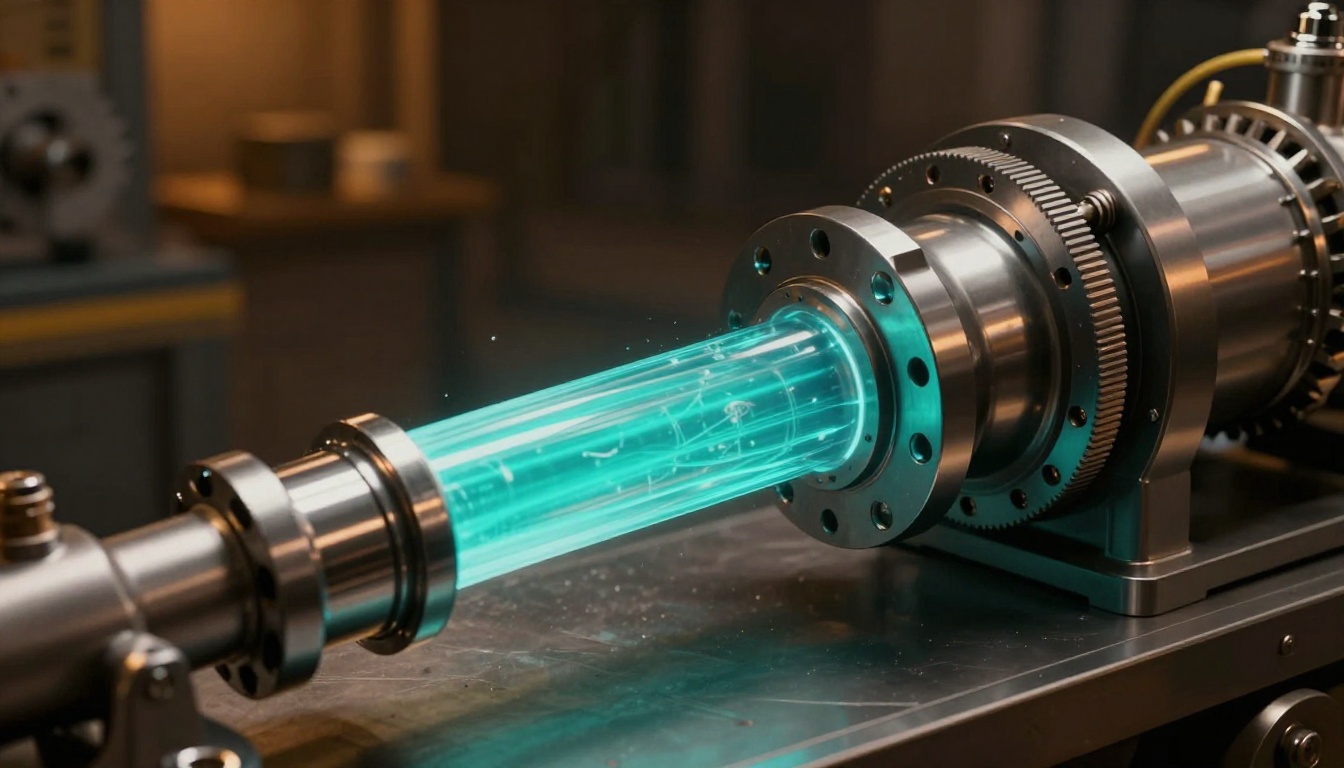
Ever press the brake in your car and wonder how a small pedal can stop a heavy vehicle? Hidden inside that pedal feel are hydraulic forces that move power through pressurized fluid. On the flip side, think about a pneumatic nail gun. It can fire fast using compressed air, even with a light hand.
Both hydraulic and pneumatic systems turn “pressure” into motion. They’re used in construction, manufacturing, transportation, and even everyday tools. Yet they work in very different ways, which changes speed, force, noise, and maintenance.
At the center of both systems is one simple physics idea: pressure can spread through a confined medium. In hydraulics, that medium is a liquid, so pressure transfers cleanly. In pneumatics, it’s a gas, so you get quicker response, but less force per unit.
Below, you’ll see how hydraulic systems build massive force, how pneumatic systems deliver fast action, and how to spot the differences that matter. You’ll also learn what’s changing in 2026, especially around smarter controls and predictive maintenance.
How Hydraulic Systems Turn Liquid Pressure into Massive Force
Hydraulic systems use pressurized liquid, usually oil, to move heavy loads. The big reason they feel so strong is simple: liquids don’t compress much. So when pressure rises, it doesn’t “give” as much as gas would.
In a typical setup, a pump pulls oil from a reservoir. Then it pressurizes that oil, often in the 1,000 to 5,000 psi range. Next, valves guide the pressurized flow to an actuator, like a hydraulic cylinder or motor. The actuator turns hydraulic energy into movement.
A quick way to picture the power: imagine squeezing a water balloon. You can push back hard, even though you’re using a small amount of motion. When fluid pressure ramps up, it can push with surprising strength.
If you want a plain-language breakdown of how these parts work together, see how a hydraulic system works from Brennan Industries. It’s a helpful match for the “pump, valves, pressure, motion” flow you’ll learn here.
Hydraulics also shine when you need precision under load. Because the fluid carries force steadily, a cylinder can extend slowly and stop where you want. That’s one reason you’ll find hydraulics on presses, cranes, and excavators. And because oil can dampen vibration, hydraulics often run quieter than air exhaust systems.

Key Components That Make Hydraulics Tick
A hydraulic system is basically a loop that keeps moving oil the right way. Each part has a job, and most problems happen when one part fails or loses performance.
Here are the core components you’ll see in many hydraulic systems:
- Reservoir: This is the oil “home.” It stores fluid and helps it cool.
- Pump: Think of it as the heart. It creates pressure by moving oil from the reservoir into the system.
- Valves: Valves direct flow and control direction. They also manage pressure, so the system doesn’t overload.
- Actuators: These convert pressure into motion. Cylinders produce linear push or pull. Motors produce rotation.
- Hoses and fittings: These carry pressurized fluid to where it needs to go.
- Filters: Clean oil protects valves and seals. Contamination can cause sticking and wear.
- Seals: These stop leaks. Even small leaks can waste power and create slip risks.
If you’d like a structured explanation of common hydraulic parts, check basic hydraulics from HYDAC. It’s focused on the components you’ll troubleshoot and maintain.
Maintenance is part of the deal with hydraulics. You’ll check for leaks, watch oil condition, and replace filters on schedule. Also keep an eye on heat, because heat can thin oil and change how the system behaves.
Pneumatic Systems: Why Compressed Air Delivers Speed Over Strength
Pneumatic systems use compressed air to generate motion. Unlike hydraulic fluid, air compresses easily. That means pneumatic setups respond quickly, but the force you can produce is usually lower.
In most pneumatic tools and industrial systems, typical pressure might land around 80 to 150 psi. Then a compressor does the key work, squeezing air into a storage tank. After that, an air prep unit conditions the air, often removing water and adding light lubrication if the design calls for it.
When you need motion, valves open. Pressurized air rushes into an actuator, such as a cylinder. The actuator moves, then exhaust vents out to atmosphere when the valve shifts again.
Here’s the analogy to keep in mind: a pneumatic system is like a bike pump. Each stroke stores energy as pressure. Then you release that pressure fast to create action.
If you want a straightforward definition and use cases, Pneumatics: Advantages, basics and function gives a clean overview of how the compressed air approach fits industrial lifting and handling tasks.
Pneumatics often works best for tasks that repeat. That’s why you’ll see them in assembly lines and for shop tools. They can be easier to set up too, since air lines are simpler than high-pressure oil systems. However, they can be louder due to exhaust air venting.
Essential Parts of a Pneumatic Setup
A pneumatic system usually stays simple. That simplicity is part of why so many plants use air-powered actuators.
You’ll typically find these parts:
- Compressor: Generates pressure by compressing air.
- Storage tank: Holds compressed air so the compressor doesn’t run nonstop.
- Air prep unit: Often includes filter, dryer, and lubricator. This helps reliability.
- Control valves: Direct air to the right actuator port.
- Actuators: Commonly pneumatic cylinders for straight-line motion.
- Tubing and hoses: Carry air from one section to another.
- Exhaust components: Help manage venting noise and airflow.
For a practical guide to components and applications, this pneumatic system explainer is useful. It focuses on what you’ll actually see in maintenance conversations.
Also, because air leaks are usually less messy than oil leaks, pneumatics can feel safer in sensitive areas. You still need upkeep, though. Water in air lines can freeze in cold climates or cause corrosion.
The Quick Workflow of Air-Powered Machines
Pneumatic motion is fast because valves can release stored pressure quickly. The sequence usually follows the same rhythm:
- Compressor runs to build pressure.
- Air stores and conditions in the tank and prep unit.
- Control valve opens when a signal says “move.”
- Actuator pushes or pulls as air fills its chamber.
- Air exhausts when the valve shifts back.
Picture a factory robot that uses a cylinder to clamp a part. When the valve switches, the clamp extends right away. When the job finishes, the valve vents, and the cylinder retracts quickly.
That quick cycle time matters when tasks repeat thousands of times. In addition, pneumatics can be easy to start and stop. You can often use simple controls, like pressure switches or solenoid valves, depending on the machine.
Hydraulic vs. Pneumatic: Spotting the Differences That Matter
So, how do you choose when you have two fluid power options? Start with the performance you need, not with the brand or the tool name.
A helpful way to compare them is to look at force, speed, and practical maintenance.
| Factor | Hydraulic Systems | Pneumatic Systems |
|---|---|---|
| Working medium | Liquid (often oil) | Gas (compressed air) |
| Pressure level | Higher (commonly 1,000 to 5,000 psi) | Lower (often 80 to 150 psi) |
| Typical strength | Higher force possible | Force is limited by air pressure |
| Speed feel | Smooth and controlled | Fast response, quick cycles |
| Noise | Usually quieter | Often louder due to exhaust |
| Cleanliness | Oil leaks can get messy | Air leaks are usually cleaner |
| Maintenance focus | Leaks, oil health, filtration | Dry air, moisture control, air line leaks |
If you want another perspective on the tradeoffs, see hydraulics vs pneumatics in fluid power.
In plain terms, pick hydraulics when you need big lifting and strong pushing. Think excavator booms, press machines, and car braking systems. Pick pneumatics when you need fast, repeatable motion with simpler setup. Think nail guns, air tools, and many factory actuators.
Also, remember the real world. Many industries blend both. For example, some machines use hydraulics for heavy lifting and pneumatics for smaller, quick actions.
Real-World Power: Applications and Innovations Shaping 2026
Hydraulics and pneumatics aren’t just theory. They’re everywhere you look for motion under pressure.
Hydraulics show up in:
- Excavators and cranes (lifting and positioning heavy loads)
- Presses (controlled force for forming and stamping)
- Car braking systems (the pedal pushes pressure, then clamps brake parts)
- Elevators and industrial lifts (reliable movement with load)
Pneumatics show up in:
- Factory automation (fast clamping, pushing, and indexing)
- Nail guns and air tools (quick force with handheld control)
- Air brakes in vehicles (controlled stopping with compressed air)
- Spray systems (atomizing fluids using air)
Now let’s talk about what’s changing as of early 2026. A big theme is better control and earlier fault detection. Many hydraulic systems now include smarter sensors. These can track pressure, flow, temperature, and oil quality in real time. As a result, teams spot wear or contamination early. Then repairs happen before failures create downtime.
Pneumatic systems are also getting monitoring upgrades. IoT connections let operators check valves and actuators without constant hands-on inspections. Wireless monitoring is becoming more common, which helps reduce maintenance time.
Hardware is changing too. Hydraulic components are built to handle higher demands in tighter spaces. Some modern designs push higher pressures than older systems. At the same time, lighter materials (like advanced alloys and composites) help systems move easier and fit into compact equipment.
Electrohydraulics is another trend. In many machines, electrical controls manage hydraulic motion with more feedback. That improves speed and positioning control, and it can reduce wasted energy. For plants, that matters because energy costs add up fast.
Pneumatics also benefits from valve and flow improvements. More precise components can reduce air waste and make cycles more efficient. Some systems now support approaches like air recycling to improve efficiency in certain applications.
Sustainability is part of the shift as well. You’ll see more attention to longer fluid life, better filtration, and designs aimed at less waste. Even small gains in efficiency can matter across large fleets of machines.
The future direction is clear: predict first, then maintain. Sensors and smart controls help stop problems before they grow.
Conclusion
Hydraulic systems turn pressure in a liquid into massive force. They’re ideal when you need steady power for heavy work. Pneumatic systems do the same job with compressed air, usually giving faster response and simpler setup.
Both rely on one core idea: pressure creates motion. The difference is how the medium behaves under pressure. That choice shapes everything from noise to maintenance to how quickly a machine cycles.
Next time you press a brake or fire a tool, notice the hidden mechanism behind the motion. Which one feels more “forceful” to you, and which one feels more “quick”?