
Pneumatics in industry means using compressed air to make machines move. It’s common because it can drive tools without the usual electrical risks. You’ll see it in factories, and you’ll also spot it on construction sites.
In the US, pneumatics shows up in manufacturing, automotive, food processing, packaging, and construction every day. And in 2026, it’s getting smarter too, with sensors and efficiency upgrades.
So where does pneumatic power fit best, and why do so many plants depend on it? Keep reading to see the most common real-world uses and what they help companies do.
How Pneumatics Drives Manufacturing Assembly Lines
In manufacturing, pneumatics keeps production moving when speed and repeatability matter. Many lines run on a simple idea: air pressure pushes a piston, and the piston does the work. Then valves route the air to the next motion.
Because air systems respond fast, they fit well with automation. They can clamp, grip, lift, and move parts in tight cycles. That’s why you’ll often find pneumatics in manufacturing assembly steps like part placement, tool actuation, and press control.
Pneumatic setups also help plants manage safety. When a machine needs high force, pneumatic actuators can provide it without sending electrical power into the work zone. That matters in dusty areas, near metal chips, or around paint and solvent use.
If you want a deeper look at how manufacturers tune pneumatic systems for real lines, Mitsubishi Manufacturing shares a practical overview of advanced pneumatics in production environments: Optimizing Manufacturing Through Advanced Pneumatics.

Robots and Tools for Stamping and Drilling
Picture a robot arm as a steady set of hands that never tires. In many plants, pneumatic control helps that “hand” grab parts consistently. Then it can position parts for the next operation.
On assembly lines, compressed air often drives tools for repetitive tasks, such as stamping support, drilling sequences, and punching operations. The motion is repeatable because the air cycle stays consistent. That means less variation between parts.
For example, a pneumatic system may move a fixture into place, press a part into a die, and then pull the fixture back for the next batch. Meanwhile, another pneumatic circuit can run a drill press to create holes. The line keeps going with short cycle times.
Clamping, Gripping, and Lifting Made Simple
When a product needs to stay put, pneumatics can lock it in place. It does this with clamps, grippers, and lift cylinders. Because the air system can switch quickly, these actions fit well into fast takt times.
Also, pneumatic motion helps workers keep their focus on supervision. You’re not asking someone to “hold and adjust” parts during each cycle.
Common uses in this category include:
- Grippers for pick-and-place: Air-driven fingers clamp parts during transfer.
- Clamps for fixtures: Pneumatic clamps lock housings for drilling or stamping.
- Lifts for staging: Cylinders raise parts to the right height.
Pneumatics isn’t only about speed. It’s also about controlled force. That’s important for preventing damage to delicate parts, like thin panels or assembled components.
Pneumatics in Automotive: From Welding to Tires
The automotive industry uses pneumatics at nearly every stage. On production floors, compressed air can power robot tooling, control part movement, and support quality tests.
In car plants, pneumatics helps with both precision tasks and everyday shop-floor jobs. For example, you might see pneumatic controls in robots, plus air-powered tools used by technicians.
Many sources highlight how pneumatic systems support assembly flow and vehicle servicing. Here’s one example focused on automotive operations: Pneumatic Systems in the Automotive Industry.
Robotic Arms for Welding and Painting
Welding and painting both demand consistency. A small change in position can affect fit or finish. Pneumatics helps maintain consistent motion for fixtures and tooling that support these steps.
In some lines, pneumatic circuits hold parts in place during welding. In other setups, they move clamps so a robot can reach the right angles. Air control also helps keep fixtures tight, so the part doesn’t shift.
For painting, you can think of pneumatic systems as “steady timing.” Even when a robot sprays, the process depends on stable positioning. Pneumatics can deliver that stability for rotating frames, part holders, and moving supports.
Everyday Air Tools for Mechanics
Not every pneumatic use is about robotics. In repair shops and service bays, air tools are still a big deal.
Impact wrenches make quick work of lug nuts and bolts. Air sprayers support finishing tasks. Tire fillers help shops maintain pressure fast between jobs.
Even in more controlled systems, pneumatics shows up in air brake testing and component handling. For mechanics, the main benefit is simple: tools stay portable, and power can be consistent across a busy workspace.
Clean Power for Food Processing and Packaging
Food plants care about two things at the same time: speed and cleanliness. Pneumatics helps because it can move products and actuate equipment with minimal contamination risk.
In food processing, air systems can power pumps, valves, and actuators. They also run equipment for cutting, filling, sealing, and sorting. Since many pneumatic parts sit in sealed housings, they can keep the process cleaner than some alternative setups.
Packaging lines also rely on compressed air. Air-driven actions help bag items, position labels, and handle pallets efficiently. When production runs multiple shifts, reliability and quick restart matters. Pneumatic systems often fit that need.
For a focused look at food and beverage uses, see Pneumatics In The Food & Beverage Industry.
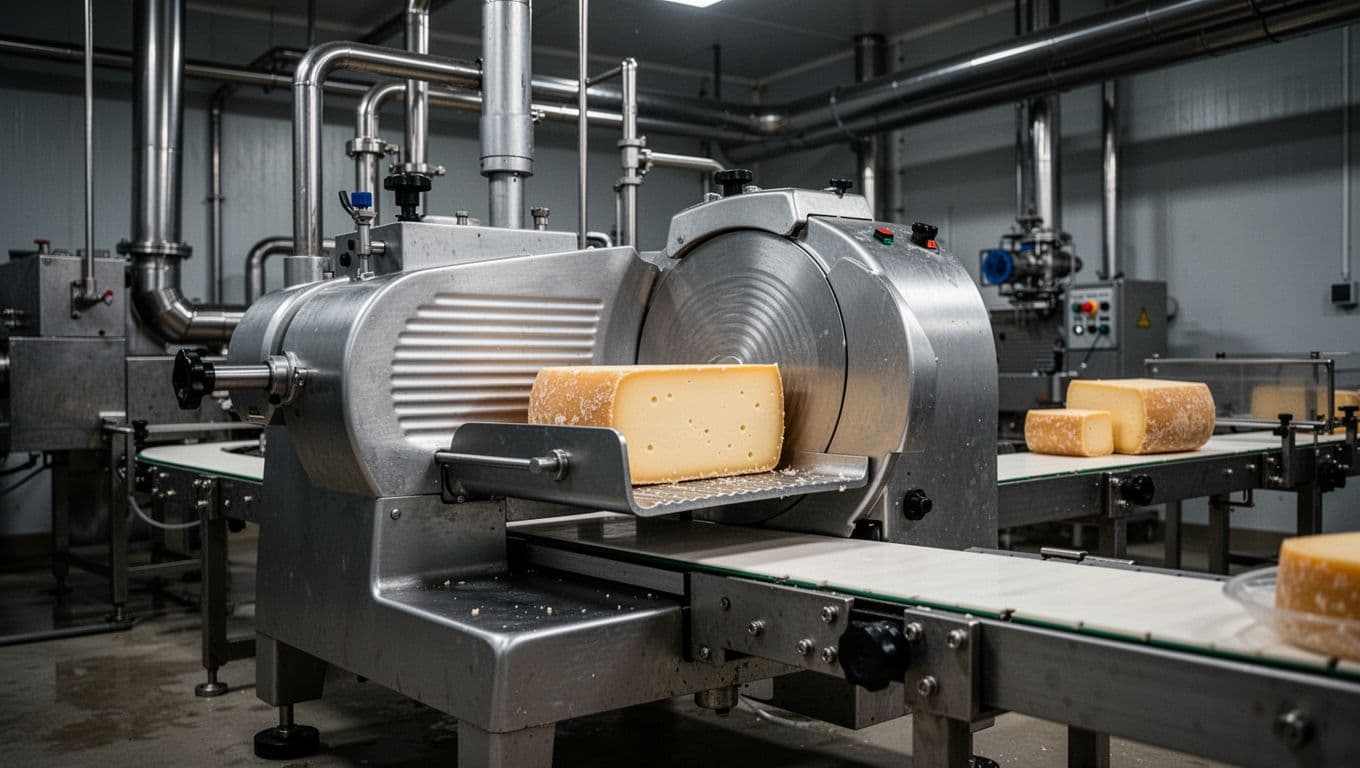
Slicing, Mixing, and Shaping Food Safely
Some pneumatic machines do the hard work without contact that creates sparks or heat. For example, pneumatic slicers and cutters can slice cheese, bread, or other products with repeatable motion.
Mixing and shaping can also use pneumatic motion for controlled starts and stops. In addition, pneumatic handling can support “no-touch” product movement in certain setups, like air-assisted transfer.
In plain terms, pneumatics helps keep the product flow smooth while workers focus on quality checks. That means fewer interruptions and steadier throughput.
Filling Bottles and Sealing Packages
Filling and sealing are perfect matches for pneumatic control. Air-driven valves can pulse accurately. That helps reduce waste when filling bottles, cans, or pouches.
Once the fill step finishes, pneumatic systems can cap, position seals, or actuate packaging components. Many lines also use pneumatic air blasts for cleaning debris from conveyors and equipment.
Because cycles are short, the packaging line can keep its pace. Therefore, you end up with fewer slowdowns during high-demand runs.
Heavy Hitting in Construction with Air Tools
Construction sites need power that works outdoors, in rough conditions, and in tight spaces. Pneumatics fits those needs well. It can run drilling, fastening, and demolition tools using compressed air.
Since many sites already run compressed air for other equipment, pneumatics can reduce extra infrastructure. It also avoids many electrical safety concerns in wet or dusty areas.
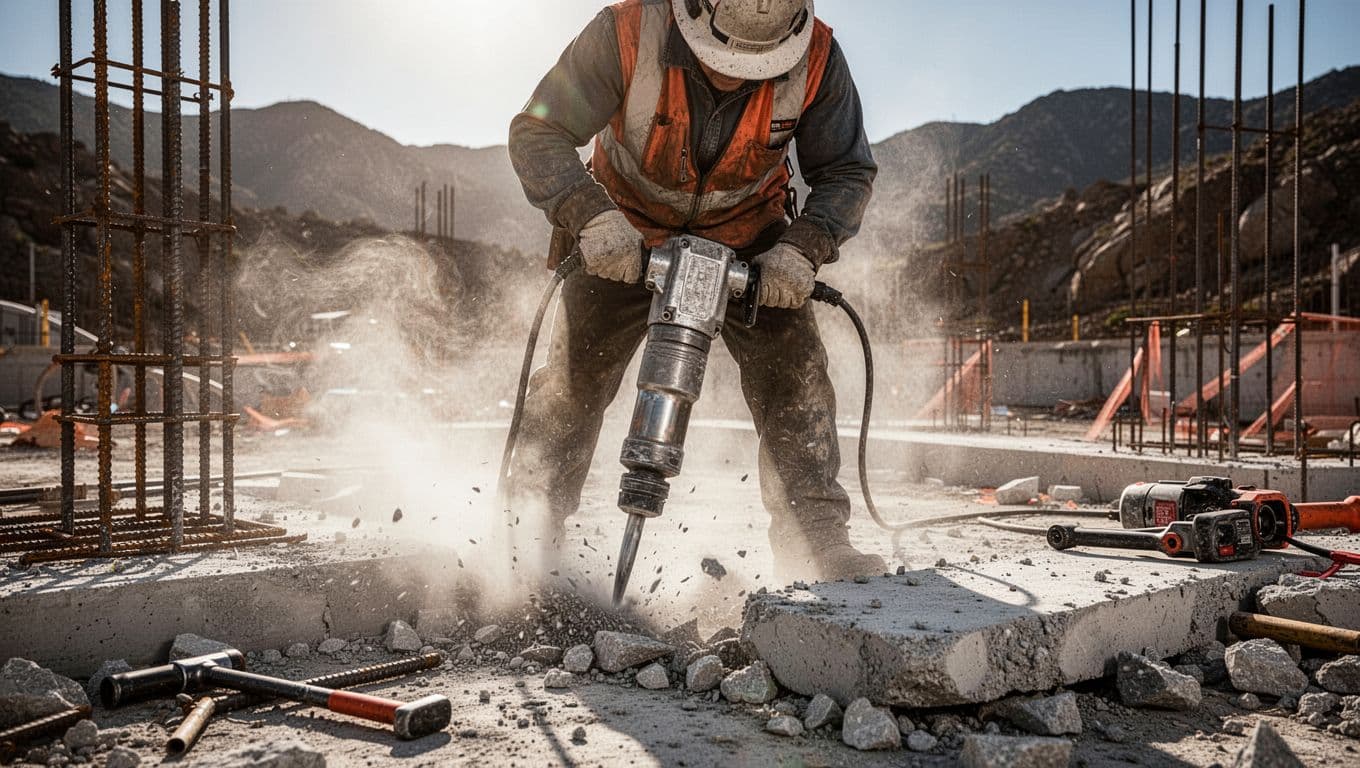
Breaking Ground with Jackhammers and Drills
Jackhammers are a classic example. Pneumatic tools deliver percussive force that breaks concrete and rock. As a result, crews can complete demolition and trenching faster.
Pneumatic drills also help when workers need boreholes for anchors, rebar, or routing. Because the tool responds quickly and stays consistent, operators can keep a steady pace across the job.
Nail Guns and Fasteners for Quick Builds
Air nailers speed up framing, roofing, and panel installation. They fire fast, so builders can lock material into place with less delay.
Many nailers also use safety features like trigger controls and contact mechanisms. So, workers can focus on alignment rather than brute force.
Material Handling and Smart Pneumatics Trends
Beyond tools, pneumatics plays a major role in moving materials. Many operations move powders, grains, or light bulk goods through pipelines. Instead of dragging materials across floors, they flow through tubes with air pressure and airflow control.
This is where pneumatic conveying stands out. It helps reduce mess and cleanup time. It can also keep materials separated from people, which supports safety.
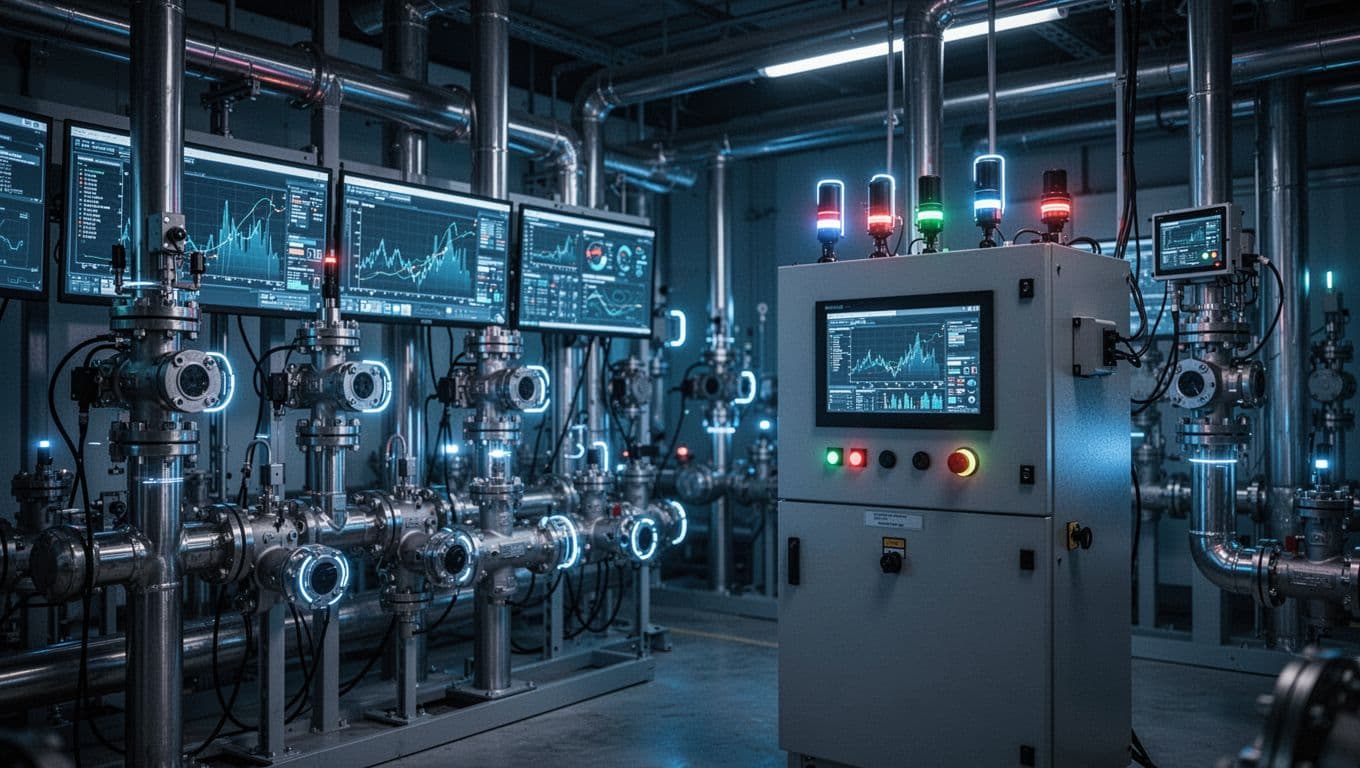
Air Pipelines for Bulk Goods Transport
Pneumatic conveying moves bulk materials through enclosed lines. That includes powders and granular products. You can find this approach in food, agriculture, and chemical handling.
For examples of common uses, Dynamic Air outlines industrial applications of pneumatic conveying systems here: Pneumatic conveying systems in industry.
The key win is control. Operators can route material to the right point without heavy conveyors. Also, enclosed transport can lower dust exposure.
2026 Innovations: Sensors and Efficiency Boosts
In 2026, the big trend is smart pneumatics. New setups add IoT sensors and smart valves. These components can check cylinder health, detect faults early, and reduce wasted air.
Realtime trends also point to energy efficiency improvements. Many systems aim to use less compressed air for the same motion. That helps plants cut costs while keeping uptime high.
Another shift involves compact designs. Smaller cylinders and valves pack more power for tight factory spaces. At the same time, modular parts can make maintenance faster when a component needs replacement.
So, pneumatics in industry isn’t just “old school air lines” anymore. It’s becoming data-driven, and it keeps expanding into more automated spaces.
Conclusion
Across factories, shops, and job sites, pneumatics shows up because it’s practical. It powers motion with compressed air, and it supports fast, repeatable work. That’s why it matters in manufacturing, automotive, food processing, construction, and material handling.
In 2026, smart sensors and tighter air use push it even further. The result is better control, less downtime, and cleaner production steps.
If you’ve worked around pneumatic tools or systems, what task benefits most from compressed air at your site?